
Watch The Easy
A short take on why easy is a moment to think harder, not coast.
In the video
- Why easy feels safe
- How challenge supports growth
- Why data still matters in a strong season
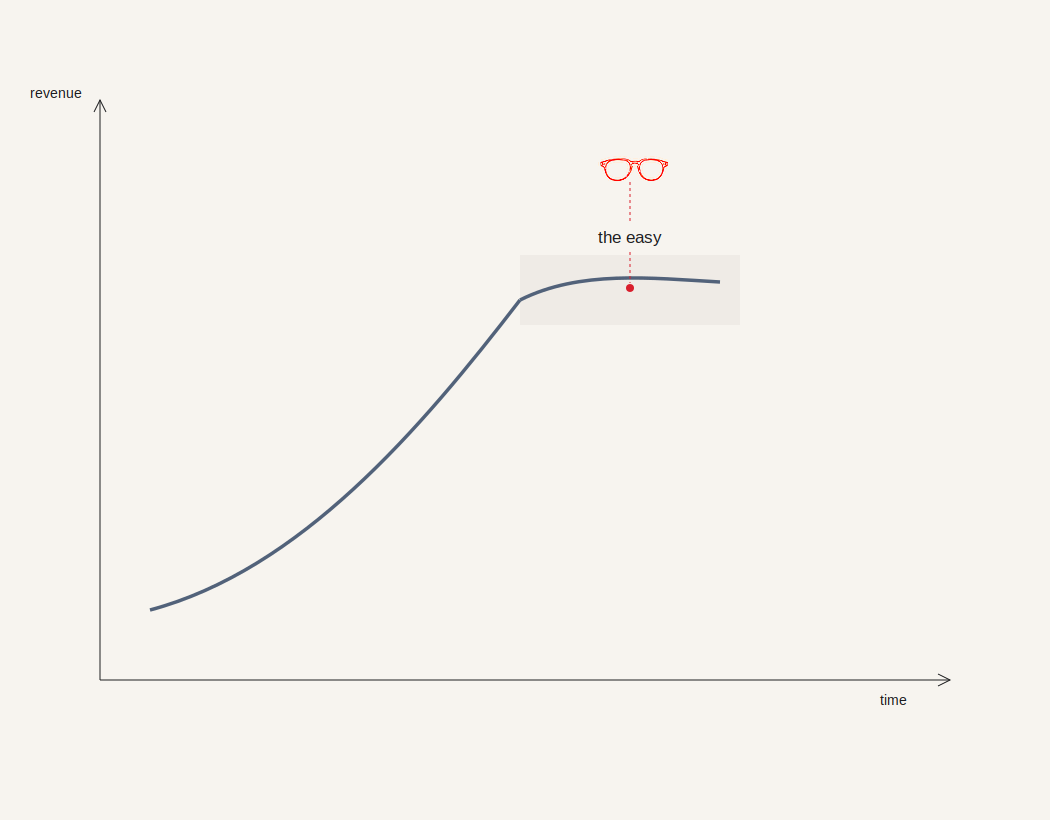
You already built a system that works, and the next stage of growth is asking you to build a different one.

The Easy is the stretch of growth where the numbers look good on their own, the team is delivering without much of a fight, and it stops feeling urgent to touch the system that's already working. That calm is real, and it's earned. It's also the exact moment the next plateau starts building itself quietly, underneath a quarter that still looks fine on paper.
Most leaders don't notice they're in it until growth has already flattened out and revenue growth becomes stagnant. The move isn't to panic once that happens. It's to keep checking the numbers now, while things still look good, so you're the one who decides when the system changes instead of the market deciding for you.
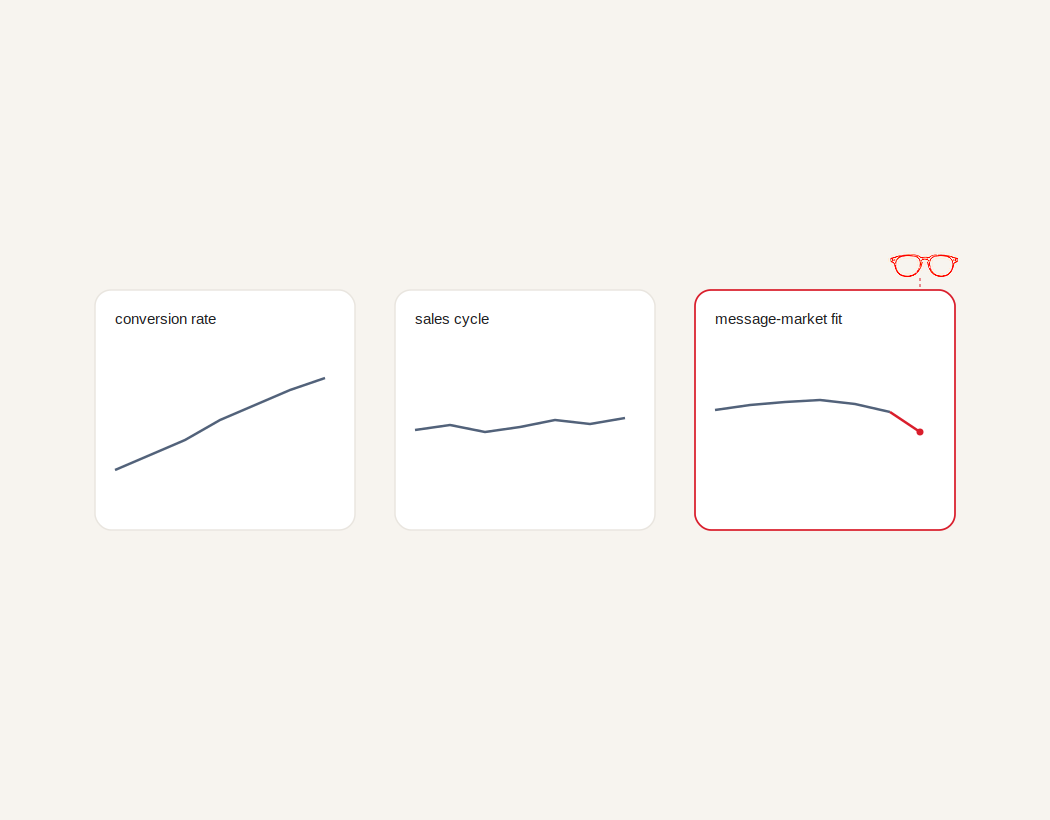
Good quarters can hide small changes in demand, messaging, and execution long before revenue shows it. The move is to keep watching conversion rates, sales cycle length, and message market fit while everything is still closing on its own, because that's the only window where you get to respond on your own terms. Wait for the top line to tell you something changed, and you're already improving from behind instead of from strength.
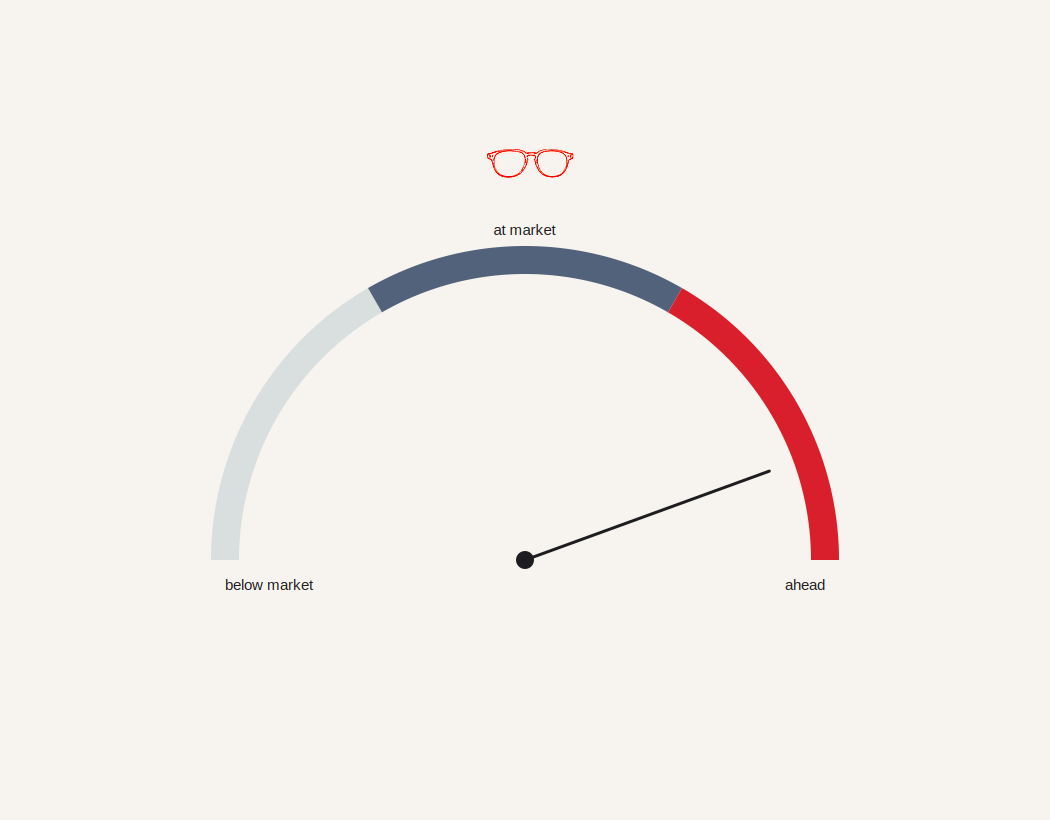
A good benchmark puts your growth, retention, win rate, marketing spend, and pipeline coverage in context, so you know whether the quarter you just had is actually strong or just comfortable. The revenue benchmark tool gives you that read in a few minutes. No form, no email required, just an honest look at where you stand against the market and where the next improvement is likely sitting.
A short take on why easy is a moment to think harder, not coast.
See whether a fractional CRO or CMO matches the stage your team is in right now.
Compare your revenue performance against current B2B tech benchmarks.
The Easy is the stretch where the team is performing well and revenue goals are being met, so it feels reasonable to stay with the current motion. The principle argues for staying alert in that moment because steady performance gives you the clearest view of what should be refined next.
When performance is strong, small changes in demand, messaging, funnel efficiency, or execution can be easy to miss. Looking at the data during strong periods helps you protect momentum, spot drift earlier, and make measured improvements before pressure forces a rushed response.
Start by reviewing the numbers you already watch, then go one layer deeper into pipeline quality, win rate, retention, and conversion points. Pair that review with direct conversations across sales and marketing so decisions reflect what the market is showing, not just what last quarter delivered.
Begin with the fractional fit check if you want to understand whether senior revenue leadership would help your next stage. Use the revenue benchmark tool if you want to compare growth, retention, spend, and pipeline metrics against broader B2B tech reference points.
No. The idea applies anywhere results can create a false sense of permanence. Cojoy RevGen works most often with B2B SaaS and other B2B tech teams, but the principle is useful for any leadership team that wants to sustain performance with more disciplined decision making.