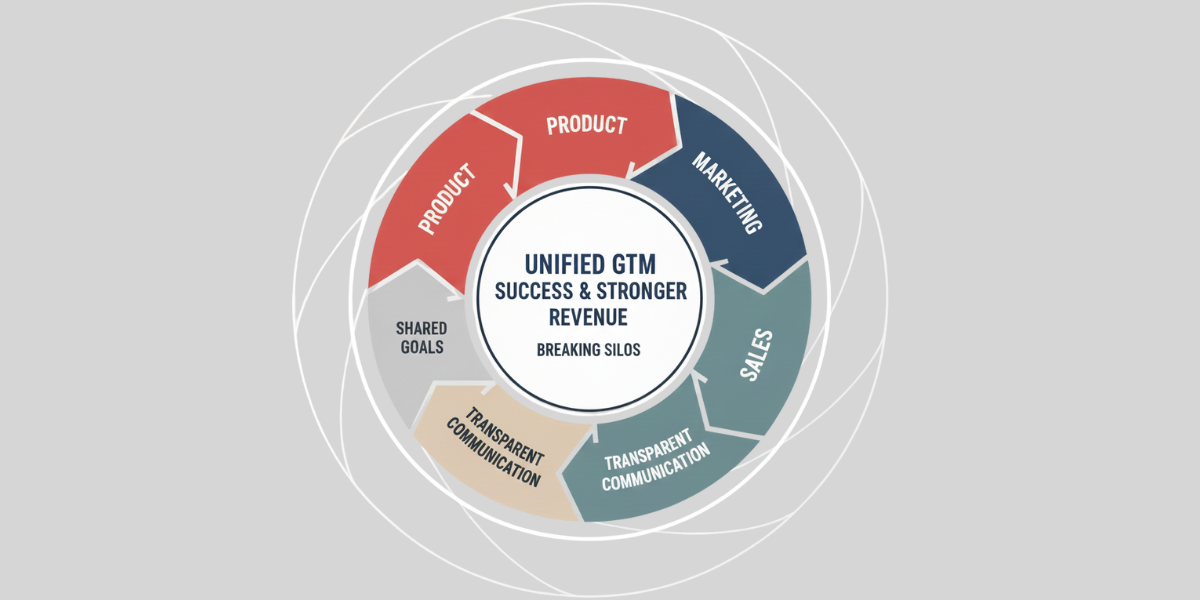
In the fast-paced world of B2B tech, we've all heard "collaboration" championed as the key to success, yet it often remains a vague ideal that fails to create real accountability when it matters most. Let's have an honest discussion about this, because I believe in approaching these challenges with solutions that center on people and foster genuine connections. True collaboration goes far beyond surface-level politeness; it's intertwined with transparency, building environments where work processes, challenges, and advancements are readily accessible to those who need them, reducing friction and enhancing trust across the board.
Why Do So Many B2B Tech Teams Struggle with Silos Despite Claiming Alignment?
Too many organizations claim to have broken down silos, only to reveal the opposite through constant urgency, exhausted teams working late into the evenings, and revenue goals that consistently fall short. Successful companies, however, integrate Product, Marketing, Sales, and RevOps into a cohesive whole, where shared visibility drives accountability and turns individual efforts into unified momentum. This should feel straightforward, yet achieving it demands deliberate steps that prioritize human relationships alongside structured processes.
How Can Leaders Define Shared Goals to Break Down Silos?
From observing numerous cross-functional transformations, the starting point is aligning leadership on shared goals via an inclusive KPI exercise designed for collective ownership. Assemble your executives for a session focused on ambitious targets, such as significant revenue growth, where preliminary ideas spark broader conversations:
- Explore each department's role
- Address questions for clarity and shared insight
- Analyze previous successes and setbacks
- Ideate fresh approaches to accelerate progress
Follow this with ongoing meetings to monitor metrics, adapt processes, refine statements of work, and ensure reporting aligns everyone effectively.
Key takeaway: Collective buy-in transforms goals from mandates into shared commitments that everyone feels invested in protecting.
What Role Do Interpersonal Relationships Play in Sustaining Alignment?
Yet real change happens when this alignment cascades to every team member, the talented people executing on the ground. Cultivate interpersonal ties across functions, particularly in distributed teams, by introducing programs like quarterly buddies who pair up for casual Friday conversations about their roles, obstacles, and opportunities, with intentional rotations to expand networks and prevent isolation.
Which Communication Processes and Frameworks Strengthen Cross-Team Collaboration?
To strengthen this further, establish robust communication protocols from the outset, including dedicated channels for real-time sharing and periodic cross-team stand-ups to catch issues early. Incorporate collaboration tools such as:
- RACI matrices — for clear role definition
- OKRs — that link company objectives to team-level outcomes, complete with tracking mechanisms to highlight and celebrate advancements
These elements reduce overlap, clarify responsibilities, and ensure seamless go-to-market execution.
How Can Organizations Overcome Common Hurdles Like Resistance to Change?
Common hurdles like resistance to new ways of working can arise, but addressing them with empathy through training, acknowledgment of quick wins, and open feedback loops often turns skepticism into enthusiasm, leading to more fluid executions and stronger revenue performance overall.
Frequently Asked Questions About Team Alignment in B2B Tech
What is the difference between collaboration and true alignment? Collaboration often focuses on working together politely, while true alignment integrates teams as a single unit with shared goals, transparency, and mutual accountability.
How often should leadership teams meet to maintain alignment? Ideally every two weeks or monthly, depending on your pace, to review progress, adjust processes, and address emerging challenges proactively.
Are tools like Slack or RACI matrices essential for alignment? They are highly effective for reducing friction, but the real power comes from consistent use combined with a culture that encourages open sharing.
Can remote teams achieve strong alignment? Absolutely, through structured initiatives like buddy programs and virtual stand-ups that build personal connections alongside professional ones.
What signs indicate misalignment in an organization? Frequent fire drills, inconsistent revenue performance, and over-reliance on late nights often point to underlying silos that need intentional bridging.
Alignment is integration. It's also transparency. Don't just say you're doing it but have your revenue tell a different story at the end of the year.